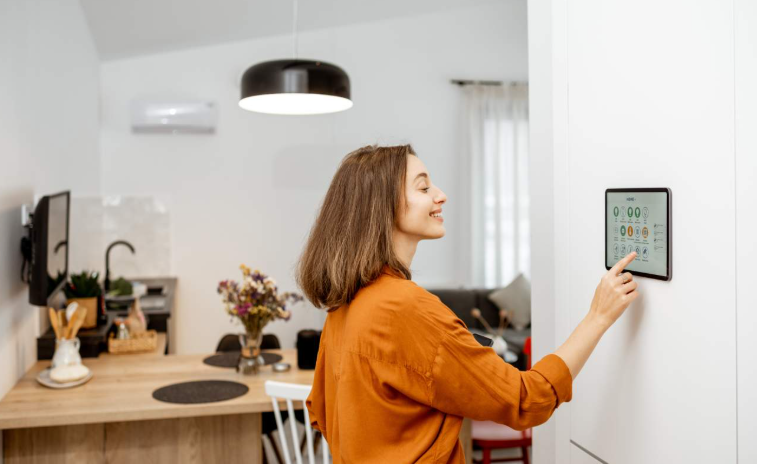
The integration of technology into homes is transforming everyday living. Smart devices enhance convenience and promote energy efficiency. Voice-controlled assistants manage tasks effortlessly, while automated systems optimize lighting and monitor energy use. Additionally, security measures have advanced significantly, with smart locks and surveillance cameras providing real-time alerts. As these innovations continue to emerge, they reshape how individuals interact with their living spaces, raising questions about the implications for future home environments.
The Rise of Smart Home Devices
As technology continues to evolve at an unprecedented pace, the rise of smart home devices has transformed the way individuals interact with their living environments.
Smart assistants equipped with voice control enable seamless communication, empowering users to manage their homes effortlessly.
This innovation not only enhances convenience but also promotes a sense of autonomy, allowing individuals to tailor their domestic experiences according to personal preferences and lifestyles.
See also: certifipmu
Enhancing Energy Efficiency With Technology
Numerous smart home technologies are revolutionizing energy efficiency, enabling homeowners to significantly reduce consumption while maintaining comfort.
Energy monitoring systems allow users to track usage patterns, empowering informed decisions.
Coupled with automated lighting, which adjusts based on occupancy and natural light, these innovations not only minimize waste but also contribute to a sustainable lifestyle, fostering greater freedom in energy management.
Improving Security Through Automation
While traditional security measures often rely on physical barriers and manual monitoring, smart home automation systems are redefining how homeowners protect their properties.
Integrated smart locks enhance access control, allowing users to manage entry remotely, while advanced security cameras provide real-time surveillance, alerting homeowners to suspicious activities.
This automation empowers individuals, giving them greater freedom to monitor and secure their living spaces effectively.
The Future of Connected Living Spaces
With the rapid advancement of technology, the future of connected living spaces promises an unprecedented integration of convenience, efficiency, and sustainability.
These homes will feature intelligent interfaces that seamlessly interact within connected ecosystems, allowing for personalized experiences.
As homeowners embrace this transformation, they will gain greater autonomy over their environments, enhancing their quality of life while promoting eco-friendly practices.
Conclusion
As technology continues to transform living spaces, the integration of smart home devices has become increasingly prevalent. Remarkably, a recent study found that 70% of households now utilize at least one smart device, highlighting a shift towards a more connected lifestyle. This evolution not only enhances convenience and security but also promotes energy efficiency, enabling homeowners to create personalized environments. Ultimately, the future of connected living spaces promises to redefine how we experience our homes, making them more autonomous and efficient than ever before.